RSS 2.0
  • Home
  • About
  • Aligners
  • Genomes
  • Subscribe
  • VarScan
  •  

    Genome sequencing of multiple myeloma

    April 28th, 2011

    A recent study in Nature reports an initial view of the genome of multiple myeloma (MMY), an incurable cancer of plasma cells (B cells) in the blood. Though it is the second most common hematological malignancy, MMY remains poorly understood. Some 40% of cases harbor structural alterations that place genes in proximity to the IgH locus, leading to their over-expression. Yet these rearrangements seem insufficient to cause MMY alone, as they are also found in its pre-malignant form, called monoclonal gammopathy of unknown significance (MGUS). Indeed, other genetic events – activation of MYC, KRAS, NRAS, and the NF-KB pathway, in some cases – are required for progression to malignant disease.

    Chapman et al assessed mutations in 38 MMY tumors using a combination of whole-genome (23 cases) and exome (16 cases) sequencing. They found ~35 protein-altering mutations per tumor, and estimated a genome-wide mutation rate of 2.9 per megabase for this cancer type. That’s slightly higher than what we observed for AML1 and AML2, though not as high as the mutation rates of solid tumors such as breast and lung carcinomas.

    Technical Concerns: Matched “Normal” and Mutation Calling

    There are some technical issues, in light of which the findings should be considered. First, the matched normal samples used to distinguish germline variation from somatic mutations were blood sample. I’ve heard some concerns about this, since blood undoubtedly contains circulating, cancerous mature B cells. This could affect the sensitivity of mutation calling, as high-frequency mutations may be misclassified as germline due to their presence in the normal sample. A skin punch, I’m told, would have been a better control.

    Second, most of the mutations reported have not been experimentally validated. Instead, the authors hand-selected 100 predicted mutations for validation. They were able to design Sequenom assays for 92 of these, and 87 proved to be valid somatic mutations. From this, they infer a true-positive rate of 95%, and performed no further validation. I’m concerned that such a limited test is the basis of the authors’ claim that “mutation calling was highly accurate” and very concerned that only 87 of approximately 1,330 somatic coding mutations have been experimentally validated.

    Further, the comparison of WGS-versus-exome for mutation calling, from a single tumor sequenced by both approaches, is problematic. Overall, there were 24 shared coding mutations, 5 called in exome-only, and 14 called in WGS-only. However, if one considers only the exons targeted by capture reagents, there are just 4 called in WGS-only. From this, the authors infer that exome sensitivity is 29/33 (88%) for targeted exons, 29/43 (67%) for all exons, and that WGS sensitivity is 38/42 (88%).  Of course, there’s no validation data backing up either set of unique calls. Further, these estimates are all using the same algorithm, muTector, which may be under-calling mutations.

    Finally, the analysis of structural variation is extremely limited. Although the authors failed to validate any putative SVs (those that they attempted couldn’t be confirmed), they make occasional references to them throughout the study. Without orthogonal validation to demonstrate that one’s SV-calling algorithm is accurate, such claims should not be made.

    Differences in Genome-Wide Mutation Rate

    Even so, with whole-genome sequence data in hand, the authors were able to perform a relatively unbiased, genome-wide analysis of mutation rate. Unsurprisingly, mutations occurred four times more commonly at CpG dinucleotides than at A or T bases. When they compared mutation rates between coding, intronic, and intergenic regions, two patterns were strikingly apparent. First, mutations were less frequent in coding sequences, likely due to negative selection against protein-altering mutations. Second, the mutation rate was lower in intronic sequences (within genes, but non-coding) than for intergenic sequences (outside of genes). The authors propose transcription-coupled repair as a possible explanation for this pattern. A lower mutation rate in genes that are expressed in MMY lends further support to this theory, although, technically speaking, they’d need to show this correlation in the stem cells (not tumor cells). I’m told this can’t be done, and even so, the correlation is there.

    The coding/intronic/intergenic mutation rate difference is not truly a novel finding. From my HapMap days, I recall that allele frequencies of SNPs tend to be lower, the farther they get from genes. This observation could be attributed to natural selection – either negative selection against variants in regulatory sequences near genes, or else “hitch-hiking” selection in which variants near genes are affected by selective pressure on their coding-sequence neighbors.

    Frequently Mutated Genes

    Perhaps the strongest element of this study was the sequencing of many samples, which enabled an unbiased search for recurrently mutated genes. The authors identified 10 significantly mutated genes:

    Gene Mutations Description
    NRAS 12 Neuroblastoma RAS oncogene
    KRAS 16 Kirsten rat sarcoma RAS oncogene
    FAM46C 8 Family with sequence similarity, member C
    DIS3 5 RNA exonuclease; homolog of mitotic control gene in yeast
    TP53 4 The classic p53 tumor-suppressor
    CCND1 3 Cyclin D1, a known oncogene involved in cell cycle control
    PNRC1 4 Proline-rich nuclear receptor coactivator 1
    ALOX12B 3 Arachidonate 12-lipoxygenase
    HLA-A 2 Human lymphocyte antigen (MHC class I), alpha
    MAGED1 3 Melanoma antigen family D1

    Three of these (NRAS, KRAS, and TP53) were known to play a role in MMY, and two more (CCND1, MAGED1) were already linked to human cancers. The observation of two SMGs involved in translational processes (DIS3 and FAM46C) suggests a role for protein translation and homeostasis in MMY pathogenesis, though I think that more MMY genomes are necessary to strengthen such a finding.

    BRAF Mutations and NF-KB Pathway Members

    One of the MMY tumors studied here harbored a novel BRAF mutation, motivating the authors to screen 161 additional multiple myelomas for the 12 most common mutations in this gene. Some 4% had BRAF mutations, which has clinical relevance because of the availability of BRAF inhibitors. Again, more genomes are needed, because a finding that might help 4% of patients isn’t quite as exciting to me as it is to the authors.

    Gene set analysis highlighted the NF-KB pathway, the members of which harbored 15 alterations (mutations or SVs) affecting 11 different genes (BTRC, CARD11, CYLD, IKBIP, IKBKB, MAP3K1, MAP3K13, RIPK4, TLR4, TNFRSF1A, TRAF3). Notably, MAP3K1 is one of the significantly mutated genes among 50 breast tumors sequenced by the Genome Institute at Washington University. The NF-KB pathway was already known to be activated in MMY, but the current study sheds light on the diverse mechanisms by which this activation can be achieved.

    Mutations in Non-coding Regions

    Whole-genome sequencing of multiple tumors also enabled an analysis of significantly mutated non-coding sequences, which I found rather interesting. The authors delineated 2.4 million non-coding regions with regulatory potential, averaging 280 bp in size, and subjected them to the same permutation-type analysis as was used for gene significance testing. They identified multiple non-coding regions with mutation frequencies significantly higher than expected by chance. Some were known regions of somatic hypermutation, where the mutation rate is 1,000x higher, as expected for mature B cells. However, there were 18 novel “SMNRs” as I’d like to coin them. Four of these were near genes that were also mutated in MMY tumors, notably BCL7A, a putative tumor suppressor. These are intriguing findings that require more work, but they were only made possible by whole-genome sequencing.

    In conclusion, Chapman and colleagues present the first whole-genome sequencing of multiple tumors, bolstered by exome sequencing of additional samples. As they freely admit in the discussion, the analysis presented here is preliminary, and additional MMY genomes will be required to definitively establish the genetic landscape of this disease.

    References
    Chapman MA, Lawrence MS, Keats JJ, Cibulskis K, Sougnez C, Schinzel AC, Harview CL, Brunet JP, Ahmann GJ, Adli M, Anderson KC, Ardlie KG, Auclair D, Baker A, Bergsagel PL, Bernstein BE, Drier Y, Fonseca R, Gabriel SB, Hofmeister CC, Jagannath S, Jakubowiak AJ, Krishnan A, Levy J, Liefeld T, Lonial S, Mahan S, Mfuko B, Monti S, Perkins LM, Onofrio R, Pugh TJ, Rajkumar SV, Ramos AH, Siegel DS, Sivachenko A, Stewart AK, Trudel S, Vij R, Voet D, Winckler W, Zimmerman T, Carpten J, Trent J, Hahn WC, Garraway LA, Meyerson M, Lander ES, Getz G, & Golub TR (2011). Initial genome sequencing and analysis of multiple myeloma. Nature, 471 (7339), 467-72 PMID: 21430775
    AddThis Social Bookmark Button

    Whole-Genome Sequencing for Cancer Patients

    April 22nd, 2011

    Two studies published in JAMA reveal the power of whole-genome sequencing improve the diagnosis and treatment of cancer. Both are from collaborations of the Genome Institute and the School of Medicine at Washington University in St. Louis, Missouri. First, Link and colleagues report the identification of a novel cancer susceptibility mutation (a 3-kbp deletion in TP53) by whole-genome sequencing of a patient with therapy-related AML (tAML). In the same issue, Welch et al use whole-genome sequencing to diagnose a cryptic fusion oncogene (bcr3 PML-RARA) in a patient with acute promyelocytic leukemia (APL).

    Early-onset Cancer and Therapy-related Leukemia

    The first story, unfortunately, is a sad one: the patient, a 37-year-old woman, first presented with stage II ER+/Her2+ breast cancer. She underwent surgery, radiation, and chemotherapy. Two years later, she was diagnosed with stage IIIC ovarian carcinoma, and again had surgery and chemotherapy. At age 42, the ovarian cancer was back, and six months later, the patient presented with t-AML. She developed respiratory failure and died within days.

    Therapy-related leukemia is a rare but well-documented complication among cancer patients, and thought to be a direct consequence of the cytotoxic effects induced by chemo and/or radiation. Classic tAML usually presents with “unfavorable cytogenetics” – in other words, large-scale structural changes to chromosomes that are visible under a microscope. The t-AML studied here was thus very different from the first two published cancer genomes (AML1 and AML2), which were cytogenetically normal. Indeed, cytogenetic analysis of t-AML1 revealed a complex karyotype:

    • Monosomy-7, meaning that only one copy of chromosome 7 was present, when there should normally be two
    • 5q(del), in which the long arm of chromosome 5 has been lost. This is common in tAML
    • 2 marker chromosomes that could not be identified

    The t-AML might be expected, given the patient’s multiple rounds of chemotherapy and radiation. Yet her early-onset diagnoses of breast and ovarian cancer are a bit puzzling. None of her first-degree relatives had had cancer, and commercial tests for BRCA1/BRCA2 mutations came back negative.

    Revelations of Whole-Genome Sequencing

    To identify susceptibility variants and somatic mutations in the patient’s leukemia, Link and colleagues performed whole-genome sequencing on DNA from the tumor (blood) and matched normal tissue (skin). High-density SNP array and spectral karyotyping data were also generated, to help resolved the complex cytogenetic alterations. SV and copy number analysis of the WGS data confirmed the monosomy-7 and 5q loss, and also identified several smaller alterations not visible to karyotyping. Altogether, the authors identified and validated 28 somatic coding mutations (26 point mutations, 2 small indels), 8 somatic structural variants, and 12 acquired copy number alterations (CNAs). None of the genes harboring SNVs or small indels were mutated in a panel of 93 other t-AML samples, so it’s difficult to determine which of them contributed to tumorigenesis.

    Identification of a Deleterious TP53 Deletion

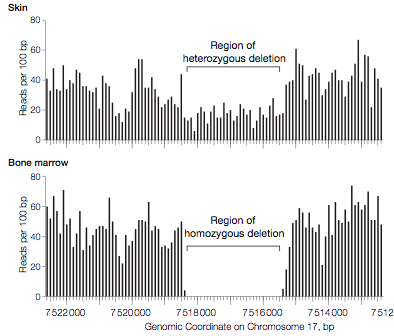
    There was one particularly interesting finding: a homozygous 3-kb deletion of TP53. Sequence data enabled precise localization of the breakpoints of the deletion, revealing that it removed exons 7 to 9 of the gene, effectively ablating the DNA-binding domain of the p53 protein. Clearly, a deleterious mutatation, and almost certainly the key susceptibility mutation that explains the early-onset breast and ovarian cancer. Strikingly, the deletion was present in heterozygous form in the normal skin DNA. The patient’s mother did not carry it, and while her father was no longer alive, his extended family had no history of cancer, making it unlikely that he carried it.

    jama-tp53-deletion

    Credit: Link et al, JAMA 2011

    The authors conclude that the 3-kbp deletion was a de novo germline mutation. That is, the mutation occurred spontaneously; the patient was born with it, but her parents didn’t have it. Recent whole-genome sequencing studies of mother-father-child trios have shown that de novo mutations do occur in human generations, albeit at a very low rate. It’s a matter of unlucky chance to acquire a mutation in a key tumor suppressor gene. All it takes is a single somatic mutation in the functional copy, or loss of the chromosome, to get a cell with no functional p53.  In the leukemic cells, for example, there was a uniparental disomy event (two copies of a chromosome from one parent, instead of one from each parent) of chromosome 17, rendering the deletion homozygous. A double-knockout of TP53.

    Implications and Genetic Counseling

    The presence of the deletion in skin DNA was worrisome, because it suggests that this was part of the patient’s overall genetic makeup. She had children. Would they have inherited the mutation as well? Fortunately, anticipating that they might find clinically-relevant information, Link and colleagues wrote into their consent protocols a mechanism to communicate such information back to the family. They contacted the primary care physician, who discussed the issue with the patient’s family members, and encouraged them to seek genetic counseling. So, if I can offer a silver lining: even though the patient died, her contribution to this study yielded new knowledge that might one day save the lives of her children.

    Diagnosis of a Cryptic Fusion Oncogene

    The second study, by Welch and colleagues, is hands-down one of the most compelling success stories of whole-genome sequencing to date. The patient was a 39-year-old female with acute leukemia. She’d begun standard “induction” chemotherapy (as in “induce remission”) with cytarabine, idarubicin, and all-trans retoinoic acid (ATRA). However, her metaphase cytogenetics revealed a complex pattern of deletions and rearrangements, which is associated with poor (15%) long-term survival and thus, treated by allogenic transplantation during first remission whenever possible. At this point, she was referred to the authors’ institution. Fluorescent in-situ hybridization (FISH), a more sensitive test, suggested a RARA-PML fusion (not PML-RARA).

    At this point, there was a “diagnostic conundrum” and ATRA was discontinued. At day 14, she had persistent AML – the standard chemotherapy sans ATRA wasn’t working. The question was this: did she have unfavorable-prognosis, cytogenetically-complex AML, or did she have AML with promyelocytic features (APL)? If it was the former, she needed a transplant – an expensive, painful operation with various other risks.

    In contrast, PML tends to have a favorable prognosis. It’s commonly (90%) associated with PML-RARA fusion transcripts that arise from a t(15;17) translocation. The good news is that such patients usually respond to all-trans retinoic acid (ATRA), because the RARA gene encodes a retinoic acid receptor. Indeed, treatment with ATRA leads to substantially improved outcomes (69% 5-year disease-free survival, compared to 29% for standard chemotherapy alone). But for the patient in question, ATRA had been discontinued because the classic fusion (PML-RARA) wasn’t there.

    She was consented for whole-genome sequencing, which was performed using Illumina paired-end reads on tumor (blood) and matched normal (skin) DNA. This time, however, the researchers didn’t have the luxury of months or years to complete the sequencing and analysis – her doctors were waiting on the results for a treatment decision. How quickly could it be done, and a decision reached? Here was the actual timeline:

    Day Status
    1 Sample collected
    5 Libraries made, sequencing begins
    18 Sequencing complete
    22 Reference alignment complete
    24 SNVs called by SomaticSniper
    25 Structural variants called by BreakDancer
    52 Fusion events validated, physician informed

    Whole-genome sequencing identified 12 valid somatic SNVs (point mutations) of unknown significance, whose allele frequencies suggested two distinct leukemia clones in the bone marrow. WGS identified all of the cytogenetically-visible rearrangements as well as two other large deletions (on chromosomes 14 and 19) that were missed by cytogenetics. It also revealed that apparent losses of chromosomes 6 and 16 were incomplete; instead, these chromosomes were partially represented on two unidentifiable “marker” chromosomes.

    Resolution of a Cryptic Rearrangement of PML and RARA

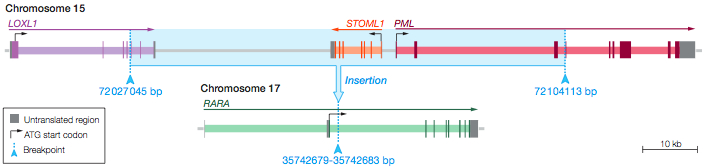
    Finally, and most importantly, the sequencing enabled breakpoint detection and assembly of a complex rearrangement of three genes: LOXL1 and PML on chromosome 15, and RARA on chromosome 17. In addition to the translocation, a 77-kb insertion and a 77-kb deletion had created two “derivative” chromosomes. That’s what had confounded the FISH analysis.

    jama-pml-rara

    Credit: Welch et al., JAMA 2011

    PCR confirmed that three fusion transcripts were present: bcr3 PML-RARA, LOXL1-PML, and RARA-LOXL1. Expression of PML-RARA was confirmed by RT-PCR. The detection of a PML-RARA fusion supersedes cytogenetic findings, and gave the patient a favorable prognosis. She was given ATRA, and at the time of writing, had been in complete remission (no detectable leukemia) for 15 months and counting.

    Whole-genome sequencing is not ready for widespread clinical application just yet. The cost at the time was roughly $80,000 for the two samples (tumor and normal), and it’s not covered by insurance. Validation, a critical step, remains a bottleneck. In spite of these considerations, the authors have a major accomplishment on their hands. Whole-genome sequencing, analysis, and validation were finished within 2 months. It resolved the complex PML-RARA event, and did so in time to make a life-saving treatment decision.

    References

    Link DC, Schuettpelz LG, Shen D, Wang J, Walter MJ, Kulkarni S, Payton JE, Ivanovich J, Goodfellow PJ, Le Beau M, Koboldt DC, Dooling DJ, Fulton RS, Bender RH, Fulton LL, Delehaunty KD, Fronick CC, Appelbaum EL, Schmidt H, Abbott R, O’Laughlin M, Chen K, McLellan MD, Varghese N, Nagarajan R, Heath S, Graubert TA, Ding L, Ley TJ, Zambetti GP, Wilson RK, & Mardis ER (2011). Identification of a novel TP53 cancer susceptibility mutation through whole-genome sequencing of a patient with therapy-related AML. JAMA : the journal of the American Medical Association, 305 (15), 1568-76 PMID: 21505135

    Welch JS, Westervelt P, Ding L, Larson DE, Klco JM, Kulkarni S, Wallis J, Chen K, Payton JE, Fulton RS, Veizer J, Schmidt H, Vickery TL, Heath S, Watson MA, Tomasson MH, Link DC, Graubert TA, DiPersio JF, Mardis ER, Ley TJ, & Wilson RK (2011). Use of whole-genome sequencing to diagnose a cryptic fusion oncogene. JAMA : the journal of the American Medical Association, 305 (15), 1577-84 PMID: 21505136

    AddThis Social Bookmark Button

    IonTorrent: Benchtop Sequencing, Streamlined

    April 13th, 2011

    New, smaller sequencing instruments are finding niches everywhere. Earlier this year in Less Is More: Sequencing on the Benchtop, I profiled three pint-sized sequencing instruments designed for next-gen sequencing on the benchtop: IonTorrent’s PGM, the Illumina MiSeq, and 454′s GS Junior. I must admit that I’m most intrigued by the PGM, probably because the idea of semiconductor sequencing is just so fascinating.

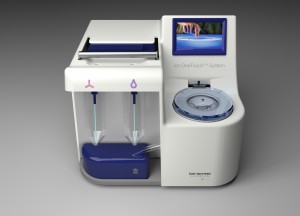
    One concern that I’ve heard about the PGM, however, was sample preparation. The time requirement and difficulty of sample prep was an immediate question at AGBT when Jonathan Rothberg first presented the instrument. He dodged the question, and I don’t think there’s been a satisfactory answer since. Until now. This morning, IonTorrent announced a new companion instrument, the Ion OneTouch System, that streamlines sample preparation for the PGM sequencer. ion-onetouch-system

    Priced at under $5,000, and measuring 1′ x 1′ square, the OneTouch requires “five minutes of hands-on time” and takes a few hours to run. It’s no longer the bottleneck, since the actual sequencing takes longer. The instrument is compatible with all three IonTorrent chips, which deliver throughputs ranging from 10 Mbp to 1 Gbp, with a single microgram of DNA.

    PGM Applications

    It’s a good thing to see the PGM constantly evolving – first the throughput was doubled, and now sample prep time cut substantially. At the price points we’re talking about, this might easily become standard equipment or small labs, academic departments, even single investigators. The current throughput of 1 Gbp isn’t enough for whole-genome or whole-exome sequencing, but it opens the door to a number of targeted applications. In Genome Technology’s Cancer Issue this month, for example, I read about a group that’s using the PGM for a clinical test comprising 100 common mutations in human cancers.

    Essentially, the niche for PGM, MiSeq, and GS Junior is everything that’s not quite enough for a full-on sequencing run. A few examples come to mind:

    1. Microbial sequencing. For bite-sized genomes, 1 Gbp should be more than enough. Imagine walking into a clinic to have your strain of Streptococcus or some other infection sequenced the same day.
    2. Family linkage studies. With a few family members and a reasonably-sized linkage peak, you could sequence all gene-coding exons across a region of interest, either by PCR or custom capture.
    3. Orthogonal validation. Whole-genome and whole-exome studies might identify hundreds of putative mutations. Emphasis on putative. No matter how good your algorithms and filters are, there will be some false positives. Here’s an opportunity for a small, fast validation instrument. Preferably, you choose a different sequencing technology for validation (e.g. PGM for Illumina, MiSeq for SOLiD).

    There are countless other potential applications; undoubtedly, investigators already have a few in mind. Access to high-throughput sequencing is getting less and less expensive. Now, you can have your own setup, for less than the price of a luxury sedan.

    For more, see Keith Robison’s post at Omics! Omics! or Matthew Herber’s blog on Forbes.com.

    AddThis Social Bookmark Button

    The Cancer Methylome by MeDIP-Seq

    April 1st, 2011

    Human cancers are driven by genetic and epigenetic changes to the genome of healthy cells. We often think about acquired mutations as the key drivers of tumor development and growth. Most studies empowered by next-gen sequencing have focused on identifying these changes. Yet aberrant DNA methylation – hypermethylation of tumor suppressor genes and hypomethylation of oncogenes – is now recognized as a hallmark of cancer cells. A new study in Genome Research describes one of the first efforts to survey DNAm genome-wide in a human cancer type.

    Neurofibroma and Peripheral Nerve Sheath Tumors

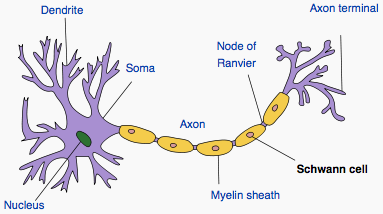
    Feber et al employed a relatively new application of NGS, called methylated DNA immunoprecipitation sequencing (MeDIP-Seq), to identify differentially methylated regions in malignant peripheral nerve sheath tumors (MPNSTs). The precursor to MNST is neurofibroma, a disease of largely benign tumors that arise from normal Schwann cells.

    Schwann cells wrapped around an axon (Wikipedia)

    Schwann cells wrapped around an axon (Wikipedia)

    Most neurofibromas arise in patients with neurofibromatosis type 1, an autosomal dominant disorder caused by germline mutations in the NF1 gene. There are also sporadic cases of NF, presumably due to acquired mutations in NF1. Neurofibroma affects 1 in 3,000 individuals worldwide; 5-10% of these patients go on to develop MPNST, which has a 5-year survival rate of <50%. Why do some patients progress when others do not? Aberrant DNA methylation offers an intriguing possibility.

    Pooled Samples and MeDIP-Seq

    The authors thus performed comparative DNAm analysis of three types of samples:

    1. DNA from 10 malignant peripheral nerve sheath tumors
    2. DNA from 10 benign neurofibromas
    3. DNA from Schwann cells of 6 healthy volunteers

    I have to admit, I’m not a big fan of pooled sequencing. I like being able to match sequence to individual samples, by barcoding or other means. The good news is that the pool is rather small, so epigenetic changes unique to a single sample might be detectable, with sufficient coverage. The authors performed MeDIP and Illumina paired-end sequencing, generating ~65 million 2x50bp reads per pool. Some 72% could be uniquely mapped (map quality >=10) to the human genome by Maq. So far, so good.

    Next, they normalized for copy number as assessed by Affy 6.0 arrays, to correct for potential bias in DNAm from copy number changes. Absolute DNAm values were inferred for 100bp windows using the BatMan algorithm, a Bayesian method for deconvoluting MeDIP-Seq data. On average, 67% of the ~26.7 million CpG sites in the haploid autosomal human reference were covered in each pool. The authors validated their DNAm data using two orthogonal approaches – BeadArray genotyping (Illumina Infinium) and bisulfite sequencing – with 77-78% overall concordance. These correlations are consistent with previous reports, and gave the authors the green light for genome-wide methylation analysis with the MeDIP-Seq data.

    Comparative Analyses of DNA Methylation

    BatMan produces a DNAm score quantifying the fraction of CpGs methylated in a given window. Using this value, regions were classified as low (<40%), intermediate (40-60%), or high (>60%) DNAm. First, the high-level view: there was only a 0.7% change in overall methylation between MPNSTs and the NF/SC controls. This was unexpected, as studies of other cancer types have shown a 10-20% reduction in methylation in tumors compared to normal cells. To dig deeper, the authors analyzed DNAm in the context of 16 types of genomic features (CpG islands and “shores”, regulatory regions, gene structures, and repeats). Most of these showed no significant difference in methylation between pools.

    The most significant feature associated with DNAm changes comprised satellite repeats. Hypomethylation of repeats is a commonly cited feature of many cancers, but these regions have traditionally been refractory to DNAm assays, particularly array-based methods. Next-gen sequencing can often resolve these regions; indeed, the authors report “excellent coverage” of all repeat types using their MeDIP-Seq data. That’s impressive, considering the rather conservative mapping quality cutoff (10). Further, it allowed the authors to build global DNAm profiles of different repeat families in addition to gene and regulatory regions. The findings were very interesting:

    • In contrast to previous studies, global hypomethylation of LINE repeats was unsupported. In fact, there was a slight decrease in low-DNAm regions among MPNSTs compared to controls overall, and L1/L2 repeats saw an increase in high-DNAm regions.
    • SINE repeats showed a small (6%) decrease in high-DNAm regions in malignant tumors.
    • Satellite repeats showed the starkest changes in DNAm, particularly between benign (NF) and malignant (MPNST) cell types.

    Differentially Methylated Regions

    Next, the authors performed pair-wise comparisons to identify differentially methylated regions (DMRs) between malignant, benign, and normal SC tissues. Each 1,000-bp window with average BatMan score differences of >= 33% in any pairwise comparison was called a DMR. This approach yielded 101,466 unique DMRs, of which 48% were hypermethylated and 52% hypomethylated in the tumor. Intriguingly, the malignant-benign comparison yielded the fewest DMRs, suggesting that these samples are more closely related to each other, from a methylation perspective, than they are to normal cells.

    DMRs were mapped to the nearest genomic feature, and subjected to enrichment analysis. Interestingly, only 11% of DMRs were within 3kb of the nearest gene. Hypermethylated DMRs were enriched for non-Cpg-Island promoters, Cpg Island shores, LTRs, and LINES. Hypomethylated DMRs were enriched for non-CpG-Island promoters, SINEs, and satellite repeats. Neither type of DMR was significantly associated with CpG islands. This is striking, because most studies of differential DNAm to-date have focused on CpG islands. Apparently, the majority of DMRs fall outside of these regions. However, CpG island “shores” showed significant enrichment of both hyer- and hypo-methylation, emphasizing a key regulatory role for these sequences.

    Genes Implicated by DMR

    Some 3,690 genes were implicated in MPNST development and progression by this analysis. Consistent with previous studies, NF1 was not among them. However, there were some other interesting hits, including hypermethylation of the promoters of tumor suppressor genes MEST and WT1. There were some interesting candidate micro-RNA genes too, including miR-124, recently reported as a biomarker for high-grade cervical cancer. About 15% of known tissue-specific DMRs and cancer DMRs (which often coincide) were picked up by this study, including hypomethylated oncogenes YES1, MATK, E2F3, EGFR, and AFF1; as well as hypermethylated tumor suppressors TSC2, RUNX1, FOXD3, and RASSF1.

    In summary, Feber et al have demonstrated the suitability of MeDIP-Seq for comparative methylome analyses in human cancers, and provided new insights into methylation’s role in progression from healthy/benign tissue to malignant tumors. I hope there’s more to come.

    References
    Feber A, Wilson GA, Zhang L, Presneau N, Idowu B, Down TA, Rakyan VK, Noon LA, Lloyd AC, Stupka E, Schiza V, Teschendorff AE, Schroth GP, Flanagan A, & Beck S (2011). Comparative methylome analysis of benign and malignant peripheral nerve sheath tumors. Genome research PMID: 21324880

    Down TA, Rakyan VK, Turner DJ, Flicek P, Li H, Kulesha E, Gräf S, Johnson N, Herrero J, Tomazou EM, Thorne NP, Bäckdahl L, Herberth M, Howe KL, Jackson DK, Miretti MM, Marioni JC, Birney E, Hubbard TJ, Durbin R, Tavaré S, & Beck S (2008). A Bayesian deconvolution strategy for immunoprecipitation-based DNA methylome analysis. Nature biotechnology, 26 (7), 779-85 PMID: 18612301

    AddThis Social Bookmark Button